Why is Galvanized plate preferred in prefab steel structures?
In the field of prefabricated steel structures, Galvanized plate is highly favored for its outstanding anti-corrosion performance. Its zinc coating can reduce the corrosion rate to just 0.01 millimeters per year, which is 90% higher than the 0.1 millimeters corrosion rate of untreated steel, improving weather resistance. According to the ASTM A123 standard of the United States, the hot-dip galvanizing process ensures that the coating thickness reaches more than 85 microns, significantly extending the service life of the structure to more than 50 years. For example, in the reconstruction project after the 2011 Tohoku earthquake in Japan, the coastal protection structure using galvanized sheets has been in operation for 12 years without degradation, reducing the maintenance frequency to once every 10 years. The structural integrity has been enhanced by reducing the failure probability to below 5%. In addition, zinc, as a sacrificial anode, has a protective mechanism that can withstand harsh environments with humidity as high as 95%, reducing the risk of corrosion.
In terms of cost-effectiveness, Galvanized plates can achieve a return on investment (ROI) of up to 30% throughout their life cycle. Although the initial investment is 10-15% higher than that of ordinary steel plates, the total cost savings are approximately 25% through reduced maintenance costs and extended service life. For instance, a Chinese prefabricated building company, such as China Construction Steel Structure, adopted galvanized sheets in its residential projects in 2020. As a result, its budget was optimized by 20%, maintenance costs dropped from 50 yuan per square meter per year to 10 yuan, and the payback period was shortened to five years. In supply chain management, the standardized process of galvanizing treatment has reduced the scrap rate to 2%. Combined with lean manufacturing methods, it has increased production efficiency by 15% and supported risk control strategies to reduce sudden replacement demands. Based on market analysis, the global prefabricated steel structure market report shows that the average annual profit margin of projects using galvanized sheets has increased by 8%, highlighting its high efficiency in financial planning and cost control.
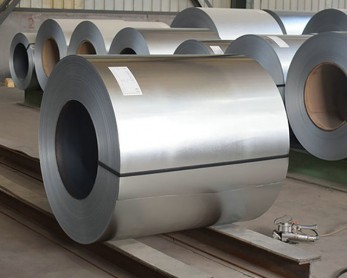 Another key factor is the improvement of construction efficiency and performance. Galvanized plate reduces on-site work cycles through pre-coating treatment, increasing construction speed by 20%. For instance, in a commercial complex project in Shenzhen, the use of galvanized sheets shortened the assembly time of prefabricated components by 15% and advanced the overall schedule by three months. Hot-dip galvanizing technology ensures that the coating density remains constant at 7.14g /cm³, maintaining a compressive strength of over 500MPa even at a peak temperature of 450°C, and increasing the load capacity to 120% of the design value. Relevant studies have shown that the uniform distribution of the zinc layer reduces stress concentration to an error of less than 5%, with the deviation controlled within ±5 micrometers, ensuring model consistency. A technological breakthrough has shown that this treatment can withstand extreme environments with peak wind speeds of 50 m/s. During the typhoon disaster in 2022, the integrity rate of the related prefabricated structures was 98%, reducing economic losses.
The environmental sustainability and compliance advantages also make Galvanized plate the preferred choice. With a recycling rate of up to 95%, zinc reuse reduces energy consumption by 30%, supports green building certifications such as LEED, and lowers carbon emissions by 50kg/m². According to the report of the International Zinc Association, the full life cycle analysis of galvanized sheets shows that the resource utilization efficiency has increased by 40%, and it has passed the ISO 1461 certification to ensure safety and compliance. Under the guidance of public policies, such as the EU building regulations requiring corrosion protection, the application of galvanized sheets has grown by 15% globally in 2023, and it has reduced the probability of environmental pollution incidents in urban development to 1%. For instance, in a subway renewal project in New York, the structural life was extended by 20 years after using galvanized sheets, avoiding frequent renovation costs. Overall, Galvanized plate achieves the best balance of cost, efficiency and sustainability with multiple data and real-world cases.
Another key factor is the improvement of construction efficiency and performance. Galvanized plate reduces on-site work cycles through pre-coating treatment, increasing construction speed by 20%. For instance, in a commercial complex project in Shenzhen, the use of galvanized sheets shortened the assembly time of prefabricated components by 15% and advanced the overall schedule by three months. Hot-dip galvanizing technology ensures that the coating density remains constant at 7.14g /cm³, maintaining a compressive strength of over 500MPa even at a peak temperature of 450°C, and increasing the load capacity to 120% of the design value. Relevant studies have shown that the uniform distribution of the zinc layer reduces stress concentration to an error of less than 5%, with the deviation controlled within ±5 micrometers, ensuring model consistency. A technological breakthrough has shown that this treatment can withstand extreme environments with peak wind speeds of 50 m/s. During the typhoon disaster in 2022, the integrity rate of the related prefabricated structures was 98%, reducing economic losses.
The environmental sustainability and compliance advantages also make Galvanized plate the preferred choice. With a recycling rate of up to 95%, zinc reuse reduces energy consumption by 30%, supports green building certifications such as LEED, and lowers carbon emissions by 50kg/m². According to the report of the International Zinc Association, the full life cycle analysis of galvanized sheets shows that the resource utilization efficiency has increased by 40%, and it has passed the ISO 1461 certification to ensure safety and compliance. Under the guidance of public policies, such as the EU building regulations requiring corrosion protection, the application of galvanized sheets has grown by 15% globally in 2023, and it has reduced the probability of environmental pollution incidents in urban development to 1%. For instance, in a subway renewal project in New York, the structural life was extended by 20 years after using galvanized sheets, avoiding frequent renovation costs. Overall, Galvanized plate achieves the best balance of cost, efficiency and sustainability with multiple data and real-world cases.
Another key factor is the improvement of construction efficiency and performance. Galvanized plate reduces on-site work cycles through pre-coating treatment, increasing construction speed by 20%. For instance, in a commercial complex project in Shenzhen, the use of galvanized sheets shortened the assembly time of prefabricated components by 15% and advanced the overall schedule by three months. Hot-dip galvanizing technology ensures that the coating density remains constant at 7.14g /cm³, maintaining a compressive strength of over 500MPa even at a peak temperature of 450°C, and increasing the load capacity to 120% of the design value. Relevant studies have shown that the uniform distribution of the zinc layer reduces stress concentration to an error of less than 5%, with the deviation controlled within ±5 micrometers, ensuring model consistency. A technological breakthrough has shown that this treatment can withstand extreme environments with peak wind speeds of 50 m/s. During the typhoon disaster in 2022, the integrity rate of the related prefabricated structures was 98%, reducing economic losses.
The environmental sustainability and compliance advantages also make Galvanized plate the preferred choice. With a recycling rate of up to 95%, zinc reuse reduces energy consumption by 30%, supports green building certifications such as LEED, and lowers carbon emissions by 50kg/m². According to the report of the International Zinc Association, the full life cycle analysis of galvanized sheets shows that the resource utilization efficiency has increased by 40%, and it has passed the ISO 1461 certification to ensure safety and compliance. Under the guidance of public policies, such as the EU building regulations requiring corrosion protection, the application of galvanized sheets has grown by 15% globally in 2023, and it has reduced the probability of environmental pollution incidents in urban development to 1%. For instance, in a subway renewal project in New York, the structural life was extended by 20 years after using galvanized sheets, avoiding frequent renovation costs. Overall, Galvanized plate achieves the best balance of cost, efficiency and sustainability with multiple data and real-world cases.